Trending Food Fhthopefood – Latest Food Trends 2025
Introduction
In 2025, the world of food is evolving fast. New flavours, textures, ingredients and dining experiences are shaping what we eat and how we think about food. Whether you’re a foodie, a chef, a restaurateur or just curious about what’s next on your plate, this article will guide you through the most important food trends of 2025 — from global snacking innovations to functional nutrition and sustainable sourcing. We’ll explore how these trends reflect broader shifts in culture, health and technology.
What is “Fhthopefood” and why it matters
The term “Fhthopefood” may sound unfamiliar, but here we are using it as a metaphor for future‑hope food — the foods and eating habits that promise innovation, sustainability, health and pleasure. When you look at the major trends for 2025, you’ll see this idea captured in:
- Foods that are fun and indulgent, yet smart and nutrient‑rich.
- Ingredients that come from diverse cultures and places, bridging global inspiration and local sourcing.
- Technologies that support safe, efficient, traceable food production and new forms of enjoyment.
- Consumer values shifting toward transparency, sustainability, and experience.
Understanding Fhthopefood helps businesses, consumers and food lovers anticipate what’s next and make thoughtful choices.
Major Food Trends for 2025
Here are some of the key food trends shaping 2025, drawn from industry reports and market research:
1. Global flavours and fusion snacking
Consumers are increasingly seeking bold, adventurous tastes and international influences. For example:
- According to a 2025 forecast by Whole Foods Market, “International Snacking” is one of the top predicted trends, with global flavours entering the snack aisle in a big way.
- The food & wine site notes that flavours like “sweet + spice”, lesser‑seen regional ingredients and snack formats are gaining traction.
- From the US and Canada report by Innova Market Insights: flavour innovation and “wildly inventive” food is a major driver.
What to watch:
- Snacks with regional roots: think African suya‑style skewers, South‑Asian herbal syrups used as flavourings.
- Fusion formats: traditional foods re‑imagined as snacks or quick‑serve formats.
- Textural contrast (crunch + soft), layers of flavour that combine familiar with novel.
2. Functional foods & targeted nutrition
Health isn’t just about low‑fat or low‑sugar anymore. It’s about purpose‑driven eating: supporting gut health, cognition, metabolism and lifestyle.
- The Innova report highlights “Precision Wellness” — foods and beverages that are targeted to life stage, condition, lifestyle.
- According to the Institute of Food Technologists (IFT), in their Top Ten Food Trends for 2025, functional foods and clean‑label demand are key.
- An article from Better Homes & Gardens emphasises: functional foods, less sugar, more natural alternatives, textured experiences.
What to watch:
- Product claims around gut health (prebiotics, probiotics), cognitive support (nootropics), immune support.
- Foods tailored for specific groups (age, gender, lifestyle, metabolic condition).
- The rise of “better for you” indulgences — foods that taste good but also have a health benefit.
3. Sustainability, local sourcing & transparent supply chains
Consumers are paying more attention to how and where food is produced, the environmental impact, and ethical sourcing.
- The National Restaurant Association noted that in their 2025 Culinary Forecast the top trend is “Sustainability and Local Sourcing”.
- The Innova report stresses the megatrend of “Building a Sustainable Future” as a major driver of food trends in North America.
- Whole Foods Market’s Trend Council also pointed to eco‑conscious innovations: aquatic ingredients, new packaging, traceability.
What to watch:
- Locally sourced produce, shorter supply chains, regenerative agriculture.
- Novel ingredients from aquatic, under‑utilised or sustainably harvested sources.
- Transparent labels, certifications, consumer‑friendly information about origin, processing, carbon footprint.
4. Texture, indulgence & high‑low food pairing
While health and sustainability are key, people still want pleasure and sensory excitement. Texture and experience matter.
- Better Homes & Gardens mentions “Celebrating the Crunch Factor” as a standout trend.
- The Food Network and others speak of foods blending nostalgic comfort with modern flair.
- Reports reference “High‑Low pairings” — combining upscale ingredients with casual formats for fun and novelty.
What to watch:
- Crunchy coatings, layered textures in unexpected places (e.g., roasted chickpeas on salads).
- Comfort classics elevated — e.g., pizza re‑imagined with new dough or topping profiles.
- Experiential dining: interactive formats, share plates, global‑fusion concepts.
5. Tech‑enabled food innovation & digital experience
Technology is influencing everything from food development and ingredients to delivery and dining experiences.
- The IFT blog identifies digital technologies, AI, traceability and supply‑chain innovation as central to 2025’s food system.
- Tastewise’s Q3 Trend Report notes how “health, indulgence and convenience converge” in a connected ecosystem of food and drink.
What to watch:
- Smart packaging, traceable sourcing (blockchain, QR codes).
- AI and data‑driven flavour/ingredient development (though more behind‑the‑scenes at present).
- Online ordering, ghost kitchens, personalised nutrition via apps and digital platforms.
Regional & niche trends shaping the plate
Beyond broad macro‑trends, here are some specific trends gaining traction which reflect the richness of Fhthopefood.
Regional ingredient resurgence
- The Datassential 2025 trends report singles out flavours like suya (Nigerian spiced meat), rooh afza (South‑Asian herbal syrup) and ras malai (Indian dessert flavour) as ones to watch.
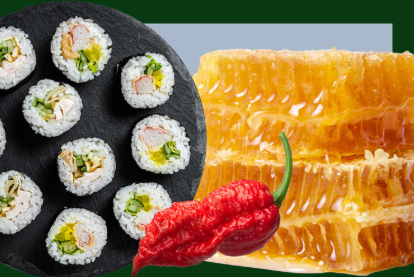
- Food & Wine points to “swicy” (sweet + spicy) foods and “doomsday staples” emerging as creative niches.
Snack innovation
- Whole Foods Market predicts fusion snack foods with international appeal will dominate snack aisles.
- Trend reports show that snacks are no longer just filler— they offer texture, bold flavours and global cues.
Plant‑based and alternative proteins — with a new twist
While plant‑based remains important, the narrative is shifting: from just “meat substitute” to “protein with purpose and provenance”. Many reports signal the rise of alternative proteins, cultured ingredients, and innovative formats. (See e.g., discussions in IFT and other research.)
Shelf‑stable & rescue foods
With economic and social uncertainty, consumers are also gravitating toward foods that feel reliable, shelf‑stable, comfort‑ing and yet interesting. For example, freeze‑dried treats, novel snacks, and “little treat culture” are coming into view.
What these trends mean for consumers, chefs & businesses
Here’s how different stakeholders can engage with the 2025 food trends:
For consumers
- Be open to trying new flavours: global spices, snack formats and fusion foods will be more accessible.
- Think about food not just for taste but also for benefit: e.g., gut health, cognitive support, better ingredients.
- Ask questions: where does my food come from, how was it produced, what’s the impact? Transparency is becoming mainstream.
- Balance indulgence and intention: the trends show you don’t have to sacrifice pleasure for health or sustainability.
For chefs & restaurants
- Incorporate regional influences: source unique ingredients, reinterpret them in creative formats.
- Play with texture, form and presentation: give diners surprises — crunch, flavour layering, staging.
- Highlight provenance and sustainability: local sourcing, up‑cycled ingredients, clear storytelling on the menu.
- Use technology when possible: from digital ordering & personalization to ingredient sourcing and operational efficiency.
For food businesses & brands
- Innovate beyond flavour: consider functional claims, clean‑labels, traceability, digital identifiers.
- Expand snack and convenience offerings: global flavours, fusion formats, sustainable packaging.
- Collaborate and communicate: consumers value authenticity and brand purpose.
- Monitor and move fast: the rate of change is accelerating; successful brands will anticipate and adapt rather than wait.
Challenges and considerations
While the trends are promising, there are a few caution‑points:
- Over‑hyped health claims: Functionality is appealing, but brands must back claims with credible evidence to maintain trust.
- Fresh versus flavour novelty fatigue: As more global flavours hit the mainstream, differentiation becomes harder. Authenticity matters.
- Sustainability can be complex: Local sourcing is not always more sustainable depending on scale and context; transparency is key.
- Accessibility and cost: Some trend foods may be premium‑priced; ensuring affordability and inclusivity helps broader uptake.
- Cultural sensitivity: Using regional flavours needs respect for origin, cultural context and ethical sourcing.
Conclusion
The food landscape in 2025 is rich, dynamic and full of hope. From global snacks to functional foods, sustainable sourcing to tech‑driven innovation, food trends are moving at the intersection of pleasure, purpose and performance. The idea of “Fhthopefood” captures this shift — food that’s not only delicious but also meaningful. For consumers, chefs and businesses alike, the opportunity is to embrace change, stay curious and connect with food in ways that are vibrant, thoughtful and future‑oriented.
Read Also: profitable intraday trading advice 66unblockedgames.com
FAQs
1. What are the top flavour trends for 2025?
Flavours to watch include bold global influences (e.g., African, South‑Asian, Latin), sweet‑and‑spicy combinations (sometimes called “swicy”), and fusion snack formats that pair familiar formats with new tastes.
2. How is sustainability shaping food trends in 2025?
Sustainability is a major pillar: trends include local sourcing, regenerative agriculture, transparent supply chains, aquatic ingredients, and eco‑friendly packaging.
3. What does “functional food” mean in the 2025 context?
Functional foods in 2025 are those offering more than nutrition: they deliver targeted benefits (gut health, cognition, metabolic support), often with clean labels and tailored claims to life stage or condition.
4. Are snacks still important in food trend forecasting?
Yes. Snacks remain a hot category for innovation: global flavours, crunch textures, fusion formats, and convenience all play into major 2025 snack trends.
5. How can food businesses respond to these trends?
Businesses should:
- Incorporate unique, culturally‑rich ingredients and flavour profiles
- Emphasise provenance, sustainability and narrative
- Design products with functional benefits and clean labels
- Leverage technology for sourcing, traceability and personalization
- Stay agile and ready to iterate as new consumer preferences emerge