Business Cycle Overview: 6983249588, 934030441, 604114941, 3330456007, 366288921, 120951367
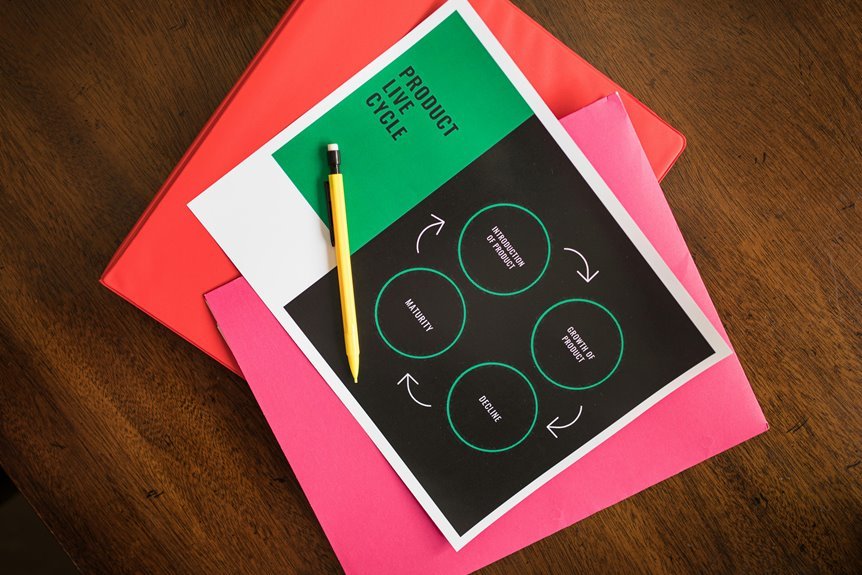
The business cycle is a fundamental concept that outlines the fluctuations in economic activity over time. It encompasses four distinct phases: expansion, peak, contraction, and trough. Each phase presents unique economic conditions that influence both market dynamics and investment strategies. Understanding these phases is vital for businesses and investors. As the cycle progresses, different indicators emerge, revealing critical insights into future economic trends. What implications do these trends hold for strategic decision-making?
Phases of the Business Cycle
The business cycle consists of four distinct phases: expansion, peak, contraction, and trough.
In the expansion phase, economic activity increases, leading to growth and heightened consumer confidence.
As the cycle peaks, growth reaches its zenith before transitioning into contraction, often marked by recession recovery efforts.
Trough signifies the lowest point before the cycle begins anew, highlighting the dynamic nature of economic fluctuations.
Economic Indicators and Their Impact
Economic indicators serve as vital tools for assessing the health of an economy and predicting future trends.
Key indicators such as GDP growth rates illustrate economic growth, while inflation rates provide insights into purchasing power and cost of living.
Understanding these metrics allows stakeholders to gauge economic stability, enabling informed decisions that align with their aspirations for financial autonomy and prosperity.
Implications for Businesses and Investors
Understanding economic indicators not only informs stakeholders about the current state of the economy but also shapes the strategies of businesses and investors.
Analyzing market trends allows organizations to adapt their operational approaches, while investors refine their investment strategies based on projected economic shifts.
Consequently, recognizing these implications enables stakeholders to navigate uncertainties and seize opportunities within a dynamic financial landscape.
Conclusion
In the tapestry of the economy, the business cycle serves as a pendulum, swinging between growth and decline. Each phase—expansion, peak, contraction, and trough—represents a crucial thread woven into the fabric of economic activity. Understanding the accompanying indicators illuminates the path forward for businesses and investors, allowing them to navigate the shifting landscape with foresight. As the cycle continues its rhythmic dance, awareness and adaptability become essential tools for thriving amidst change.